Why Is My Hair Falling Out? Common Causes and Solutions

Hair fall starts when something retards its growth from the roots. It’s not easy to dismiss finding extra hair on your pillow, in the shower drain, or tangled in your brush every day. But when more strands fall out than grow back, something has shifted, and that shift has a cause worth identifying. Hair loss affects millions of people of all ages and genders, yet most do not know why it happens or what to do about it.
In this blog, we have discussed the common causes of hair fall, how to fix them, and how you can use the Dr. Groot hair care product line to help manage this issue. So, read through it carefully.
Common Causes of Hair Loss

Hereditary Hair Loss
Hereditary hair loss with age is the most common cause of baldness. In men, it typically appears as a receding hairline or a bald patch beginning at the center of the scalp. In women, it more often shows as overall thinning across the top of the scalp. This type of hereditary baldness is known as androgenetic alopecia. It affects an estimated 80 million individuals in the U.S. alone.
Hormonal Changes
Hormonal changes such as pregnancy, childbirth, and menopause can interfere with the hair’s growth cycle. During pregnancy, hormones keep hair from falling out as often as it normally does. After giving birth, many women experience increased hair shedding as hormone levels shift again. Menopause-related hair loss follows a similar hormonal disruption pattern and often appears as overall thinning rather than defined patches.
Stress
Extreme emotional stress can make the immune system turn on itself and attack hair follicles. Significant anxiety can also pause hair growth, which makes hair more likely to fall out when you comb or brush it. This type of hair loss is called telogen effluvium, which typically appears two to three months after a stressful event such as a breakup. This is also why people cannot immediately connect the shedding to what triggered it.
Nutritional Deficiencies
Iron helps keep hair healthy. When iron levels drop, so can your hair. A body low on protein also finds ways to conserve energy, including slowing or halting hair growth. About two to three months after protein intake drops, hair may begin to fall out. Hair loss after bariatric surgery (weight loss procedures) is also common and is partly linked to low zinc levels.
Medications
Hair loss may be listed as a side effect of blood thinners, acne medications high in vitamin A, anabolic steroids, and medications used for arthritis, depression, gout, heart problems, or high blood pressure. Hormonal birth control methods, including oral contraceptives, implants, injections, vaginal rings, and patches, can also trigger hair loss in some individuals. Medical treatments such as chemotherapy may cause rapid hair loss, known as anagen effluvium.
Thyroid Disease
Thyroid disease is a documented cause of hair loss. Both an overactive and an underactive thyroid gland can disrupt normal hair growth. When thyroid function is abnormal, hair follicles can shift into a prolonged resting phase, causing hair thinning. Treating the thyroid condition is typically what helps stop the associated hair loss.
Hair Styles and Treatments
Hairstyles that pull hair tightly, such as braids, hair extensions, or tight ponytails, can cause hair damage and hair loss. This type, called traction alopecia, can become permanent with repeated pulling over time. Also, perms and bleach are both established causes of hair damage and hair loss. Excess use of heat tools, such as dryers and straighteners, also damages the hair and follicles, causing breakage and hair fall.
Fungal Infections
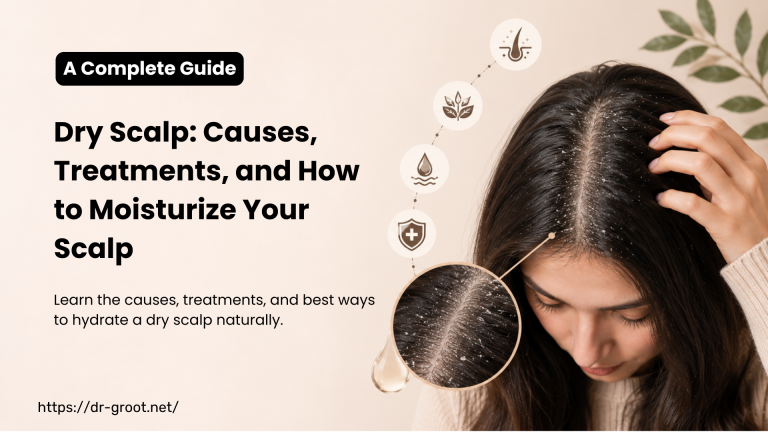
Fungal infections on the scalp are a recognized cause of hair loss. Ringworm of the scalp can cause patchy hair loss and scaly, inflamed skin, and is most common in children, but it can also affect adults. It is treatable with prescription antifungal medication. Dandruff, buildup, and excess oil production in the scalp can also contribute to hair loss and hair shedding.
How to Stop Hair Loss: Practical Tips

If hair loss results from medication, hormonal imbalances, thyroid disease, or nutritional deficiencies, addressing the underlying cause is often all that is needed to stop it. Beyond treating the root cause, dermatologists recommend several consistent habits:
Switch To A Gentle, Sulfate-Free Cleanser
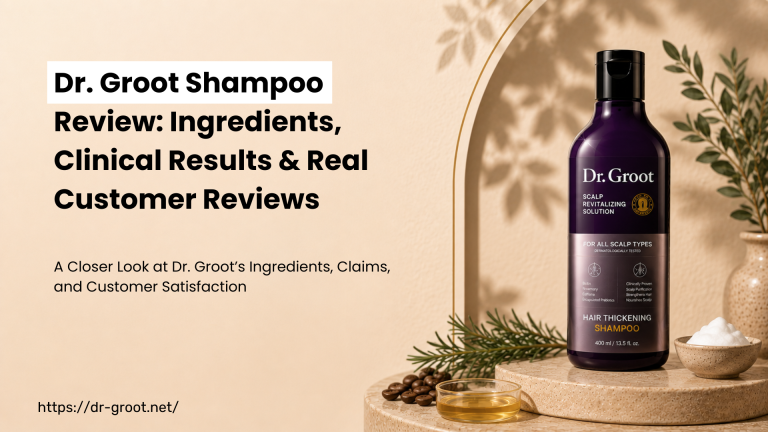
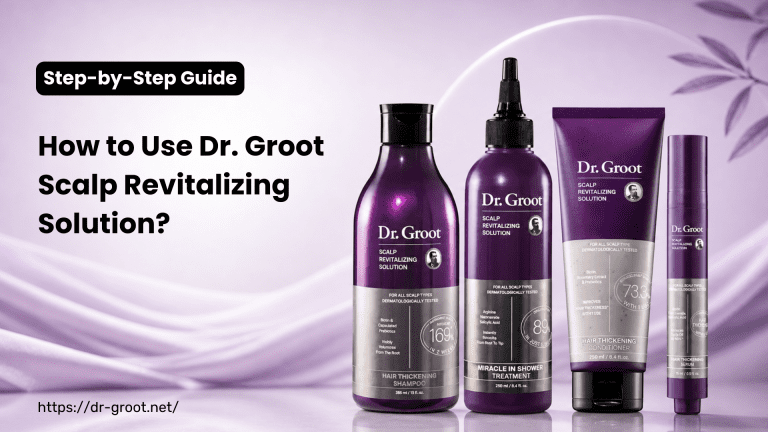
Harsh shampoos strip natural moisture from the scalp and weaken already fragile strands. A gentle formula like Dr. Groot Hair Thickening Shampoo cleans without stripping the scalp’s protective barrier, which is the foundation of any hair loss management routine.
Stop Damaging Styling Habits
Loose hairstyles, reduced heat exposure, avoiding at-home chemical treatments, and careful detangling with a wide-tooth comb on wet hair all help reduce mechanical hair loss day to day.
Address Nutritional Gaps With Food First
Iron and protein deficiencies are two of the most correctable causes of hair loss, and both are best addressed through diet before considering supplements. Blindly taking supplements without knowing whether a deficiency actually exists can do more harm than good, as excess amounts of certain vitamins have also been linked to hair shedding.
Prioritize Scalp Health Consistently
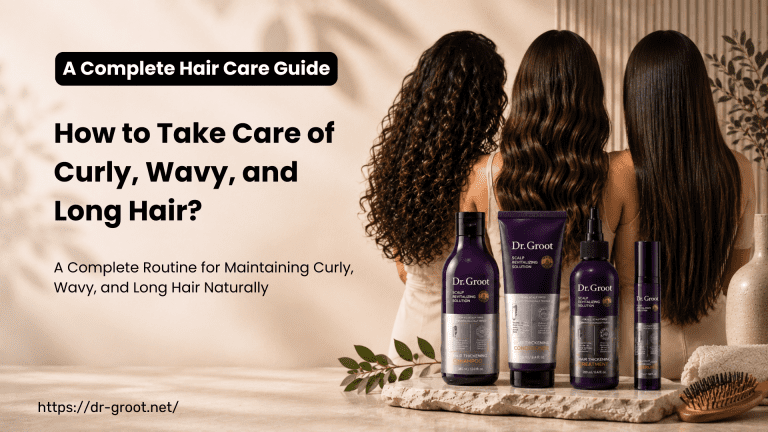
Illness, hormonal changes, stress, aging, and inherited conditions can all interfere with the hair’s growth cycle. Keeping the scalp environment clean, hydrated, and free of follicle-clogging buildup gives hair the best possible conditions to regrow. Use Dr. Groot Scalp Revitalizing Solution for a healthy and nourished scalp.
Seek Medical Intervention Early
Over-the-counter medications applied to the scalp, such as minoxidil, are often used as a first-line treatment for thinning hair and pattern hair loss. A prescription oral medication, finasteride, is approved for men with male pattern baldness. Platelet-rich plasma (PRP) injections and hair transplants are additional treatment options for more advanced cases.
How Does Dr. Groot Help With Hair Loss?
Dr. Groot addresses hair loss from the scalp down, treating the environment where hair growth actually begins rather than masking symptoms at the strand level. Here is how specific products in the range target the causes outlined above.
You can reduce hair breakage by using Dr. Groot’s Scalp Revitalizing Solution regularly. The best results, including an 82.2% reduction in hair loss due to breakage, 169% improvement in scalp hydration, and 100% improvement in visible scalp redness, were seen when the full hair care routine was used consistently.