Dry Scalp: Causes, Treatments, and How to Moisturize Your Scalp
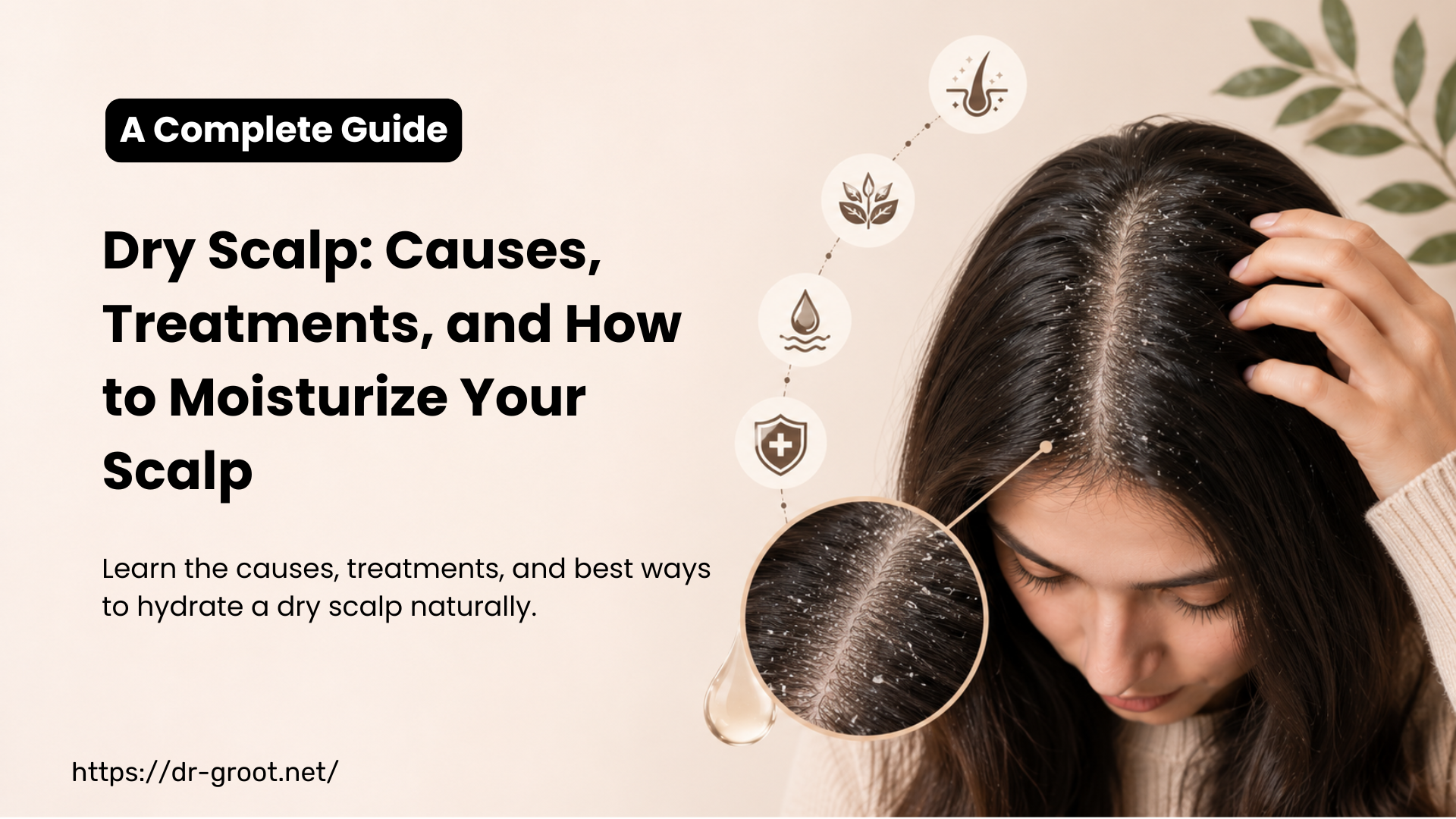
If you are suffering from persistent itching, flakes on your shoulders, and an uncomfortable feeling when you run your fingers through your hair, you may be dealing with a dry scalp. A dry scalp occurs when the skin on your head loses too much moisture, which can trigger irritation, itching, and flaking.
A moisturized scalp is the foundation of healthy hair growth. It helps prevent the buildup of dry, flaky skin and supports balanced oil production, which can reduce irritation. Let’s look at the causes of dry scalp and how to treat your scalp the right way.
What is a Dry Scalp?
Your scalp is skin, and like other areas of the body, it also needs moisture and hydration to stay healthy. A dry scalp occurs when the skin on your head loses moisture. When this happens, the skin becomes irritated and starts to flake off.
The scalp loses its ability to protect and renew itself when its moisture balance is disrupted. This may be caused by hair styling products, weather conditions, lifestyle habits, or an underlying skin condition.
Common Signs of a Dry Scalp
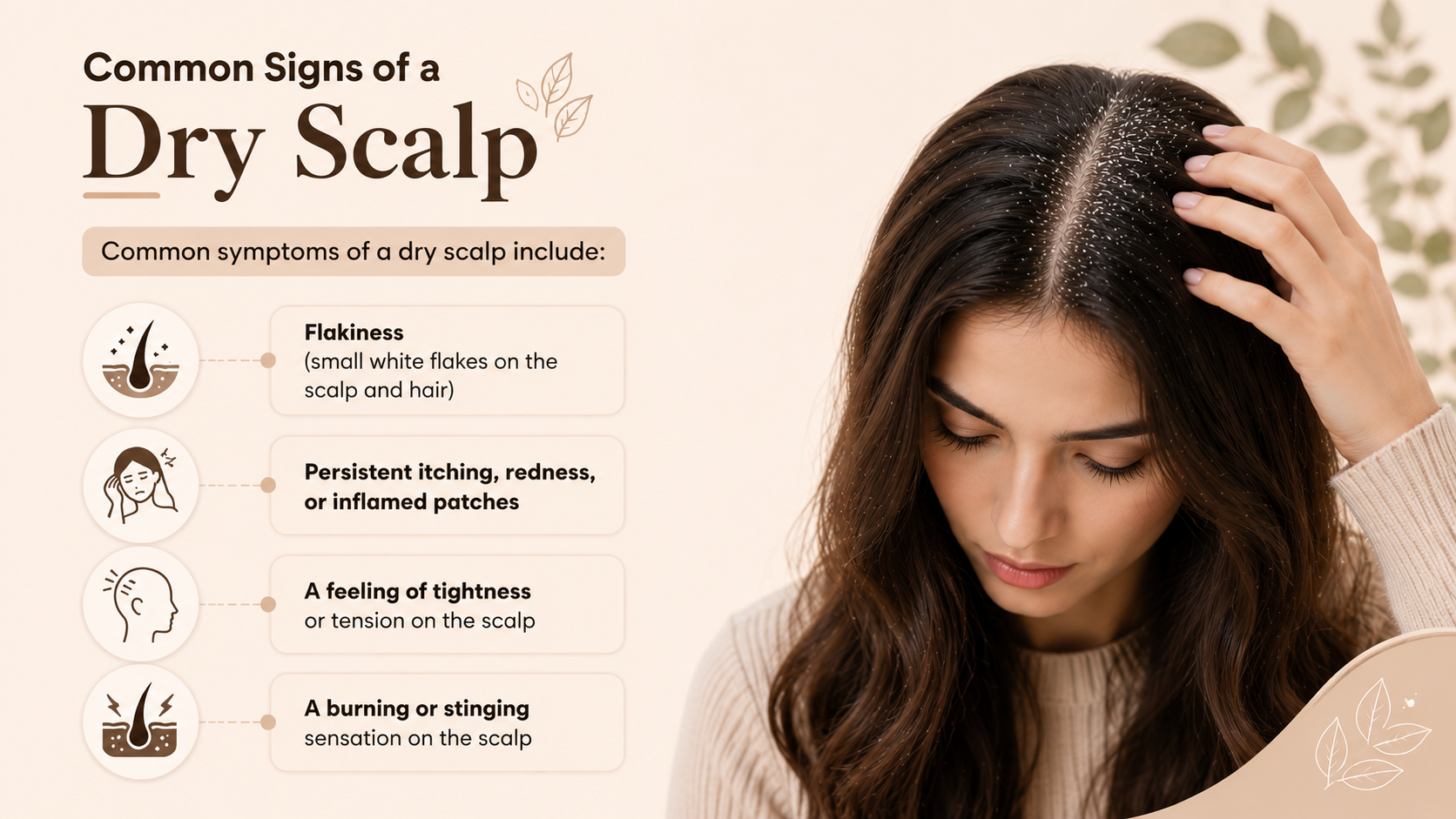
Common symptoms of a dry scalp include:
- Flakiness (small white flakes on the scalp and hair)
- Persistent itching, redness, or inflamed patches
- A feeling of tightness or tension on the scalp
- A burning or stinging sensation on the scalp
What Causes a Dry Scalp?
Dry scalp rarely has a single cause. If the follicles are not producing enough natural oils that keep the hair healthy, itching and dryness can occur. Several factors can trigger this:
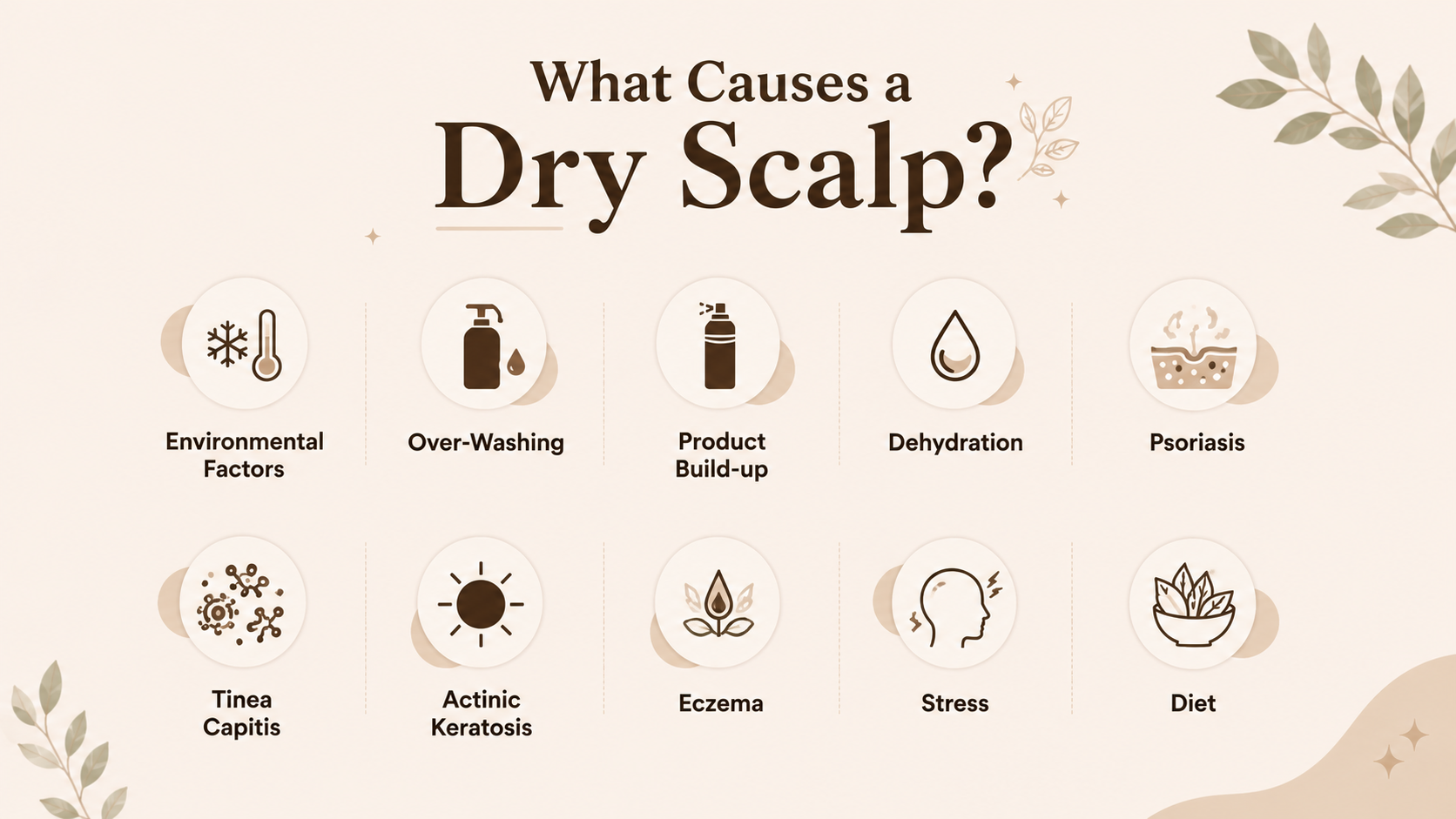
Environmental Factors
Cold temperatures and low humidity can strip the scalp of its natural oils, which leads to dryness. Hot and hard water with high mineral content can also leave residue on the scalp, causing dryness and irritation.
Over-Washing
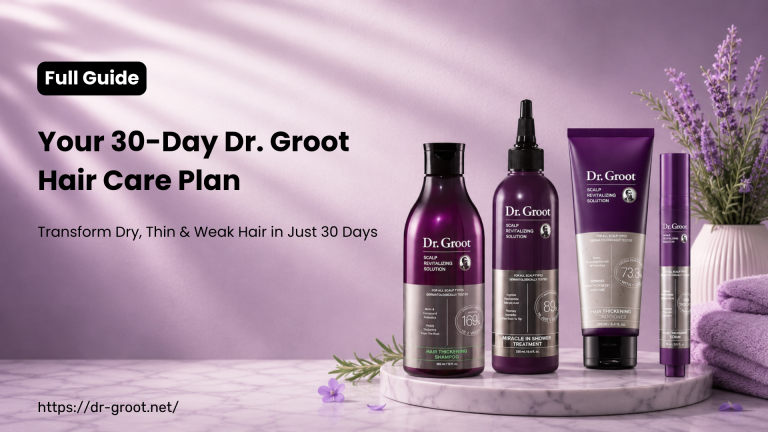
If you wash your hair frequently and shampoo it daily, your scalp may not retain its moisture balance, which can lead to dry and itchy skin. Using Dr Groot Scalp Revitalizing Solution Shampoo, paired with its Miracle in-shower treatment and conditioner, may help hydrate and protect the hair and scalp.
Product Build-up
Hair products like daily stylers, dry shampoo, hair spray, and styling gel can build up on the scalp if they are not cleansed properly. Frequent use of heating tools can also lead to excess oil production and clogged pores, which may cause buildup and flakes.
Dehydration
If you are not drinking enough water, it can start to show on your skin and scalp. Water helps support collagen production, replenish skin cells, and aid vitamin and mineral absorption.
Psoriasis
Underlying medical conditions can lead to dry scalp and itchiness. Psoriasis is a chronic condition that causes skin cells to build up in patches called plaques. It may be genetic or triggered by factors such as alcohol use or smoking.
Tinea Capitis
Tinea capitis, also known as ringworm, is a fungal infection of the scalp that can cause dryness. It spreads easily through contact with infected individuals or animals and by sharing items such as hats, combs, brushes, or pillows.
Actinic Keratosis
Actinic keratosis, also known as solar keratosis, is a precancerous skin condition caused by unprotected sun exposure. It is more common in males and people over 50 who spend more time outdoors.
Eczema
Eczema is a condition that causes dry, red, itchy, and flaky skin on the scalp. The most common type is seborrheic dermatitis, which is linked to an immune system reaction and an inflammatory response to yeast growth on the scalp.
Stress
High stress levels can increase cortisol production, which triggers hormone imbalance. This can affect the skin’s moisture barrier and intensify inflammatory skin conditions, leading to a dry scalp.
Diet
Foods high in refined sugar, processed foods, and unhealthy trans fats can contribute to dry and flaky skin. A diet lacking omega-3 fatty acids, zinc, and B vitamins may also cause inflammation and disrupt healthy oil production, reducing moisture in the scalp.
Dry Scalp vs Dandruff: What’s the Difference?
Dry scalp and dandruff are frequently confused, but their root causes are completely different. Both conditions can cause an itchy, flaky scalp, which can make it hard to tell them apart. However, identifying the correct issue is the only way to find the right treatment.
| Feature | Dry Scalp | Dandruff |
|---|---|---|
| Root cause | Lack of moisture | Excess oil production |
| Flake appearance | Small, white, dusty flakes | Larger flakes that look white or yellow and feel oily/sticky |
| Scalp appearance | Tight, dry, and sometimes red | Red, oily, and scaly |
| Main cause | Weather, over-washing, dehydration, or skin conditions | Seborrheic dermatitis, yeast overgrowth (Malassezia), or stress |
| Affects the body? | Yes, dryness often appears elsewhere on the body, too | No, it is typically confined to oily areas like the scalp |
| Treatment approach | Moisturizing and gentle cleansing | Antifungal or medicated shampoos, such as Dr. Groot Anti-Dandruff Scalp Care Shampoo |
If you are still unable to differentiate between the two conditions, a dermatologist can give you a definitive answer and the right treatment plan.
How to Treat a Dry Scalp: Proven Tips
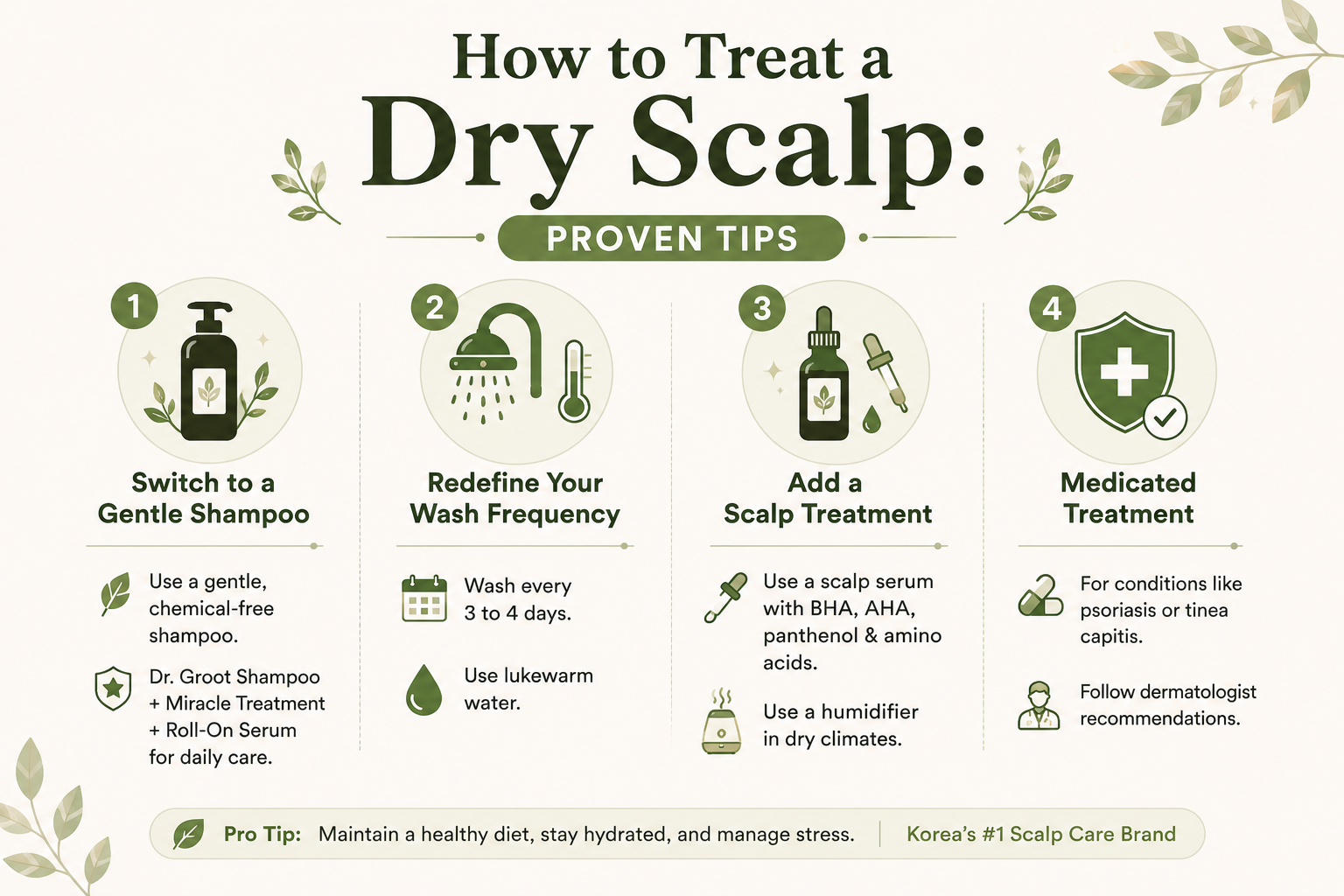
Switch to a Gentle Shampoo
If hair care products have caused your dry scalp condition, you may have to stop using those products. You can usually get rid of a dry scalp by switching to a gentle, chemical-free shampoo.
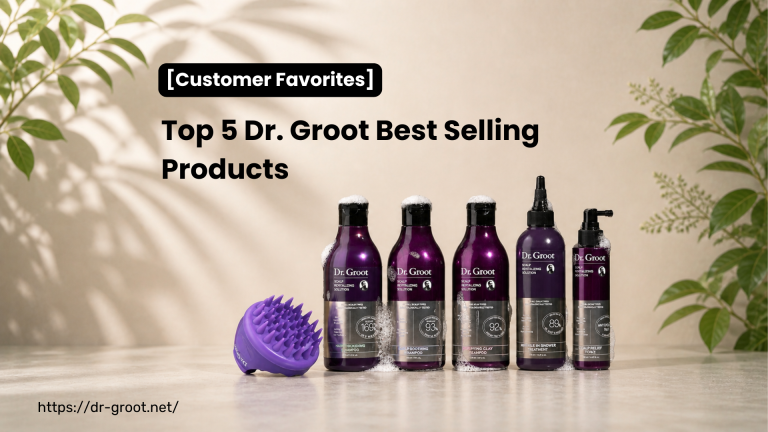
If you’re ready to upgrade your scalp care routine, the Dr. Groot Scalp Revitalizing Solution Hair Thickening Shampoo is Korea’s #1 best-selling scalp shampoo. It is formulated with biotin and caffeine to cleanse gently while supporting a healthier scalp environment.
Redefine Your Wash Frequency
Washing too often can make the scalp even drier. Washing your hair every three to four days, depending on your hair type, is usually enough to keep the hair clean without stripping away its natural oils.
Use Dr. Groot Shampoo with Miracle in Shower Treatment and the Hair Thickening Roll-On Serum for daily scalp nourishment. Korea’s #1 scalp care brand is available on the Dr. Groot website, LG Beauty, and Amazon.
Cold water may not rinse out shampoo thoroughly, while hot water can dry out the scalp. Always wash with lukewarm water to help avoid product buildup and a flaky scalp.
Add a Scalp Treatment
Consider using a scalp treatment serum such as the Dr. Groot Hair Thickening Roll-On Serum with anti-inflammatory properties infused with menthol. It contains ingredients like BHA and AHA, which help exfoliate the scalp, along with panthenol and amino acids that help hydrate the scalp effectively.
If you live in a dry climate, consider using a humidifier to add moisture to the air and help prevent dryness.
Medicated Treatment
For Psoriasis, a dermatologist may prescribe medicated ointments such as corticosteroids to reduce itching, redness, and scaling. For Tinea capitis, oral antifungal medication may be prescribed along with a medicated shampoo. Always consult a dermatologist if your symptoms do not improve with home care.
How to Fix Dry Scalp Naturally
You don’t need a full product overhaul to start seeing results.
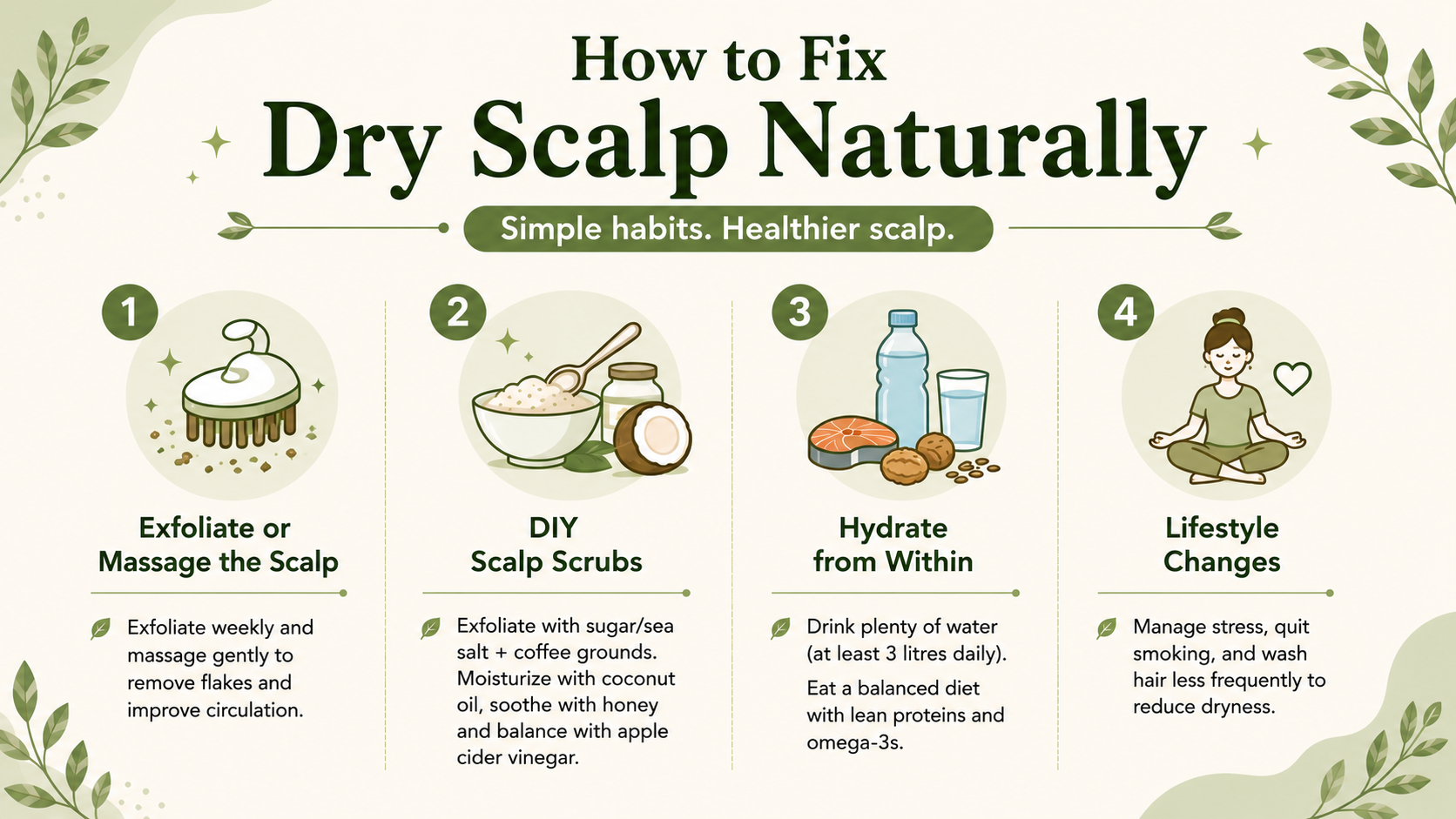
Exfoliate or Massage the Scalp
If your dry scalp has led to flakiness, exfoliate first to help your scalp mask or serum absorb more effectively. Use your fingertips or a soft-bristle brush in gentle circular motions to loosen flakes at least once a week. This can also help support blood circulation.
The Dr. Groot Premium Scalp Cleansing Brush is designed to stimulate blood flow, lift buildup, and prepare your scalp to absorb treatments more effectively.
DIY Scalp Scrubs
For a homemade treatment, mix sugar or sea salt as an exfoliant, along with coffee grounds to exfoliate and soothe the skin. You can also use coconut oil for moisture and antibacterial properties, honey to soothe and reduce dandruff, and apple cider vinegar to clarify and balance the scalp’s pH levels (not recommended for sensitive skin).
Hydrate from Within
Drink plenty of water, at least 3 litres daily, and eat a well-balanced diet. Include lean proteins like tofu, fish, and chicken, along with omega-3 fatty acids found in salmon, walnuts, and flaxseeds, which all help support a naturally hydrated and healthier scalp.
Lifestyle Changes
Managing stress, quitting smoking, and washing your hair less frequently can all make a meaningful difference in reducing dryness and itching.
How to Moisturize Your Scalp Properly
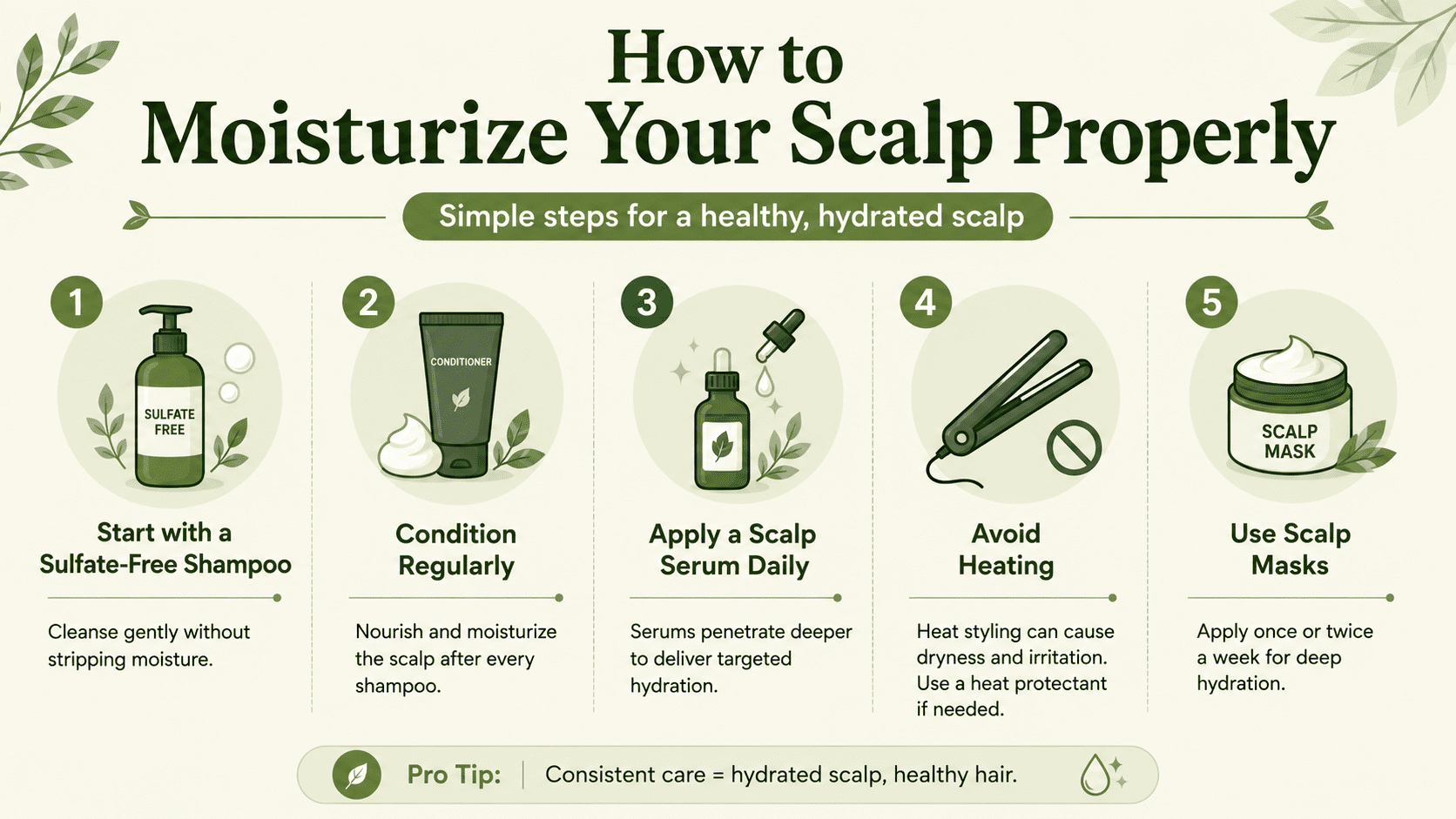
Start with a Sulfate-Free Shampoo
Eliminate sulfates from your routine, as they are common cleansers found in shampoos that can strip moisture from your strands. Choose a sulfate-free, moisturizing shampoo when washing your hair, such as Dr. Groot Hair Thickening Shampoo, which is formulated without sulfates, parabens, and silicones.
Condition Regularly
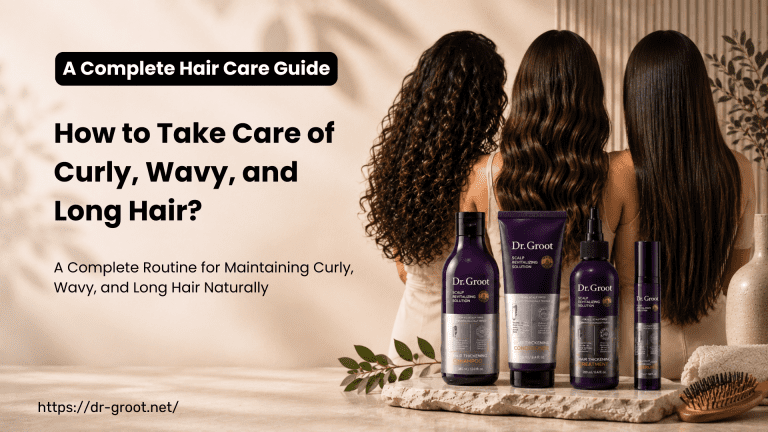
Apply a scalp conditioner after every shampoo to nourish and moisturize the scalp without weighing the strands down. Use Dr. Groot Scalp Revitalizing Solution Hair Thickening Conditioner, leave it on for a few minutes, and rinse thoroughly for hydration and softer hair.
Apply a Scalp Serum Daily
Scalp serums contain smaller molecules that penetrate deeper into the skin to deliver targeted active ingredients. Apply a scalp serum daily as part of your routine for better hydration.
Avoid Heating
Frequent use of heat styling tools can damage the scalp and hair, leading to dryness and irritation. If you must use heat, always apply a heat protectant spray to help minimize damage.
Scalp Masks
A scalp mask applied directly to the scalp can provide deep hydration and nourishment to dry skin. Using a scalp mask once or twice a week is usually enough, depending on the severity of the dryness.